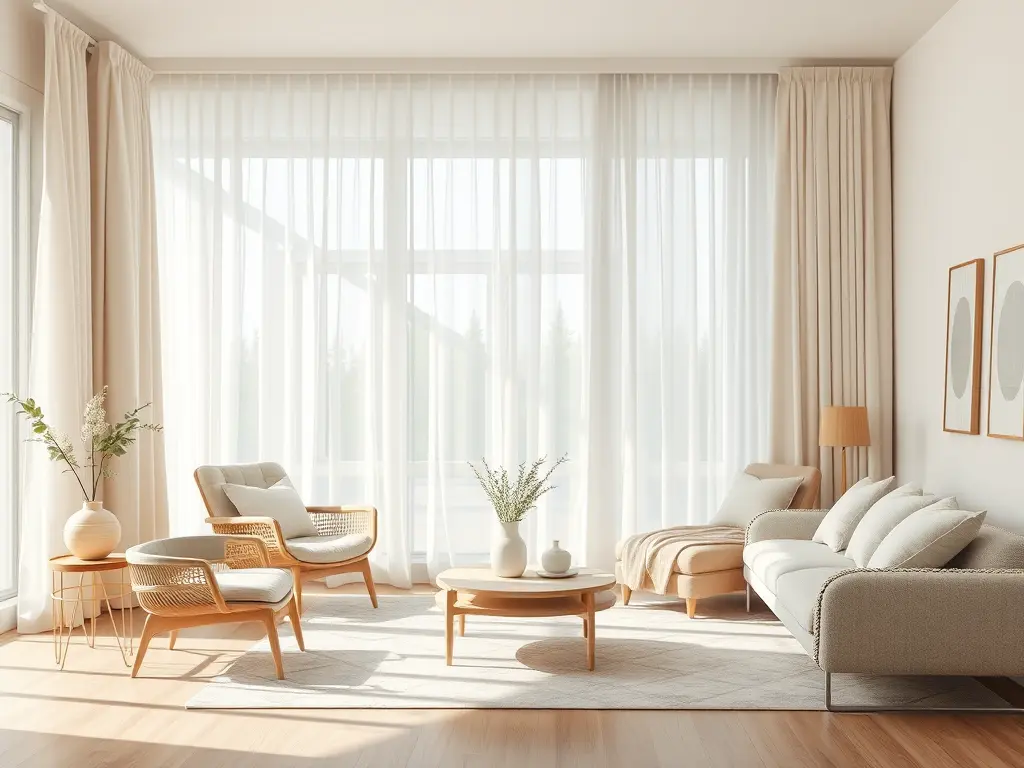
Minimalist Home Reset
Daniel had spent years believing that stress was just part of adulthood—something you pushed through, ignored, or drowned out with constant busyness. But when he moved into his new apartment, he realized the problem wasn’t just work pressure or long days. The real weight came from the silent chaos inside his home.
Boxes, clothes, gadgets, old notebooks, forgotten cables, souvenirs, and things he couldn’t even identify anymore—they all sat in corners like physical reminders of emotional clutter he had never addressed. His space felt heavy, and so did his mind.
On the first night, he slept on a mattress surrounded by unopened boxes. He woke up more tired than before he went to bed. That morning, he asked himself a difficult question:
“Why am I holding onto things that no longer belong in the life I’m trying to build?”
That question became the beginning of Daniel’s minimalist reset.
He didn’t start with rules or checklists. He started with honesty. Each item he picked up forced him to confront a memory, a habit, a fear, or a version of himself he no longer wanted to carry forward. The more he let go, the more space he reclaimed—not just on his shelves but in his mind.
This pillar explores the transformation that followed:
— how decluttering reduced his anxiety levels
— how a simplified bedroom improved his sleep quality
— how removing digital clutter boosted his focus
— how a capsule wardrobe made mornings frictionless
— how mindful spending helped him save money without feeling restricted
— how designing a calm space reshaped his daily mood and productivity
Minimalism didn’t make Daniel’s life empty—it made room for the parts of it that actually mattered.
A minimalist home is not about having “less”; it’s about creating more space for clarity, purpose, and peace.